

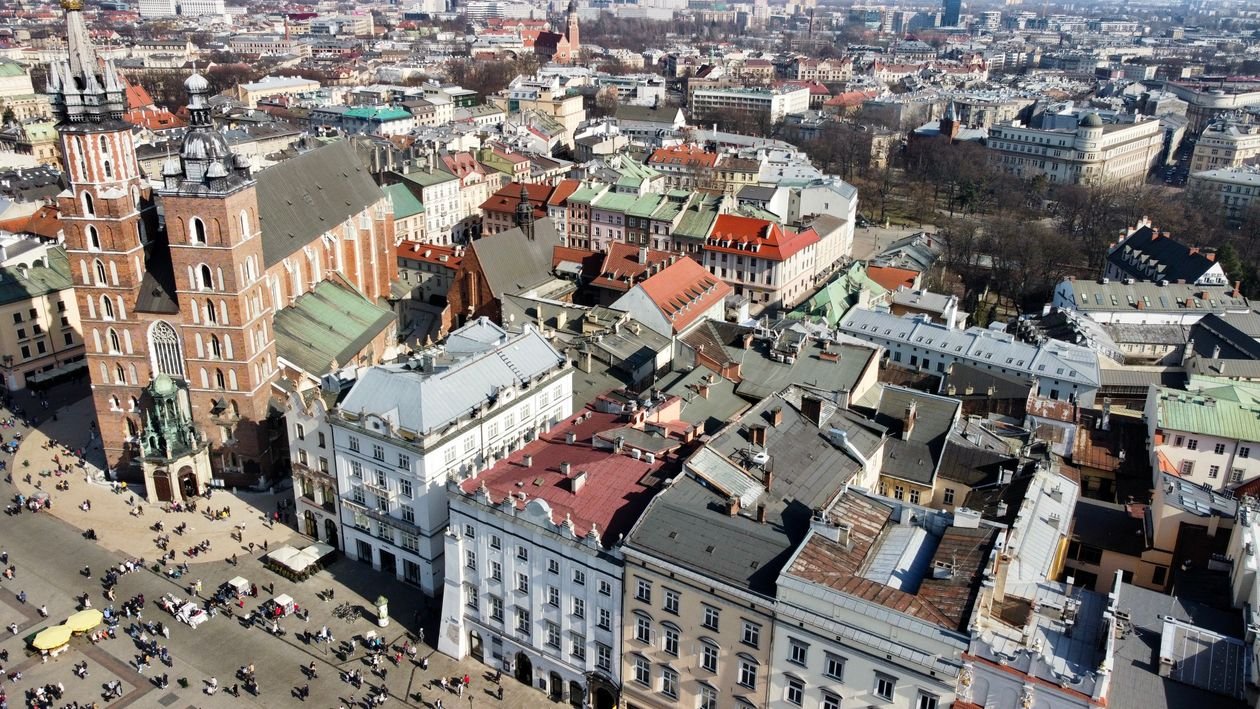
The best universities in Poland for international students in 2026 are the University of Warsaw (QS World University Rankings 271) and Jagiellonian University in Krakow (QS 303), followed by Warsaw University of Technology (QS 487). Tuition for English-taught degrees is typically €2,000–€6,000 a year — a fraction of UK or US prices — and there are more than 950 English-taught programmes to choose from. This guide ranks the top universities, lists real fees, and explains how to apply.
Why Study in Poland?
Poland has quietly become one of Europe’s best-value study destinations. Twenty Polish universities appear in the QS World University Rankings 2026, degrees are recognised across the EU, and living costs are far lower than in London, Paris or Amsterdam. A year in Poland — tuition plus living costs — typically runs to €7,000–€15,000, depending on the city and programme.
There are practical advantages too. Poland is in the Schengen Area, so a Polish student visa lets you travel across most of Europe. Non-EU students holding a valid student visa or residence permit can work in Poland without a separate work permit. And after graduation, full-time graduates of Polish universities are permanently exempt from needing a work permit, with a one-time nine-month residence permit available to look for a job. For a full overview of visas, costs and the application process, see our complete guide to studying in Poland.
The 10 Best Universities in Poland in 2026
The table below uses the QS World University Rankings 2026, published in June 2025. The University of Warsaw’s own site confirms its 271st place and notes that it is the only Polish university in the world’s top 300.
| Rank (QS 2026) | University | City | Best known for |
|---|---|---|---|
| 271 | University of Warsaw | Warsaw | Law, humanities, social sciences, economics |
| 303 | Jagiellonian University | Krakow | Medicine, law, humanities, sciences |
| 487 | Warsaw University of Technology | Warsaw | Engineering, computer science, architecture |
| 741–750 | Adam Mickiewicz University | Poznan | Humanities, natural sciences, law |
| 801–850 | AGH University of Krakow | Krakow | Mining, engineering, computer science |
| 801–850 | Gdansk University of Technology | Gdansk | Engineering, IT, maritime studies |
| 851–900 | University of Wroclaw | Wroclaw | Humanities, sciences, law |
| 851–900 | University of Gdansk | Gdansk | Law, economics, marine sciences |
| 851–900 | Wroclaw University of Science and Technology | Wroclaw | Engineering, IT, architecture |
| 951–1000 | University of Lodz | Lodz | Economics, humanities, management |
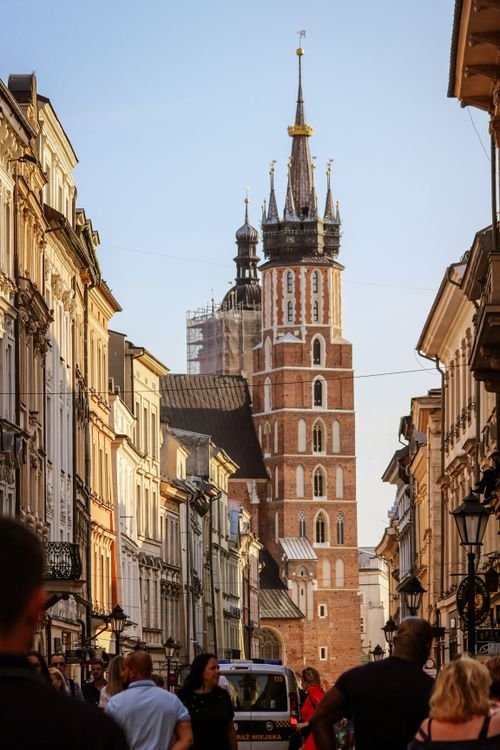
University of Warsaw (QS 271)
Poland’s largest and highest-ranked university, founded in 1816, with around 36,000 students. It leads the country in law, economics, political science, journalism and the humanities, and its English-taught offer is the widest in Poland — from American Studies and International Relations to Data Science and Machine Learning. Its 2026/27 English-taught fees range from €1,000 to €9,000 a year depending on the programme; Business and Management costs €4,000 a year, English Studies €2,200, and Machine Learning €3,300.
Jagiellonian University (QS 303)
Founded in 1364, Jagiellonian is Poland’s oldest university and one of the oldest in Europe — Nicolaus Copernicus studied here. Based in Krakow, it is strongest in medicine, law, humanities and the natural sciences, and its medical school (English-taught MD, around €14,400 a year) is one of the most popular in Europe for international students. English-taught fees at Jagiellonian start from around PLN 16,000 a year and run to about €15,500 for the most expensive programmes.
Warsaw University of Technology (QS 487)
Poland’s leading technical university, and the country’s biggest climber in the QS 2026 ranking — up 40 places to joint 487th, its best result ever and the first time it has entered the world’s top 500. It is the first choice for engineering, computer science, architecture and telecommunications. English-taught Computer Science costs around €3,200 a year.
AGH University of Krakow (QS 801–850)
AGH is Poland’s top specialist technical university, with a strong reputation in computer science, robotics, energy and materials engineering. English-taught fees are moderate: Computer Science is around €3,000 per semester and Mechanical Engineering around €1,725 per semester.
Adam Mickiewicz University, Poznan (QS 741–750)
One of Poland’s largest universities, strong across the humanities, natural sciences and law, and based in Poznan — one of the country’s most affordable major student cities. A good choice if you want a full-scale research university outside Warsaw and Krakow.
Gdansk University of Technology and the Wroclaw Universities
Gdansk University of Technology (QS 801–850) is the strongest technical university on the Baltic coast, with particular strengths in IT, electronics and maritime engineering. In Wroclaw, the University of Wroclaw (QS 851–900) covers the humanities and sciences, while Wroclaw University of Science and Technology (QS 851–900) is a major engineering school that has been climbing the rankings — it improved from 901–950 to 851–900 in QS 2026.
Tuition Fees for International Students in Poland
Poland has no single national fee. Each public university sets its own fees, and they vary widely even within one institution. According to Poland’s official study portal, study.gov.pl, the average fee for Bachelor’s, Master’s and long-cycle studies is about €2,000 a year, with a typical range of €2,000–€6,000 a year. English-taught programmes average around €3,000 a year, and the median published tuition across English-taught degrees is about €2,600 a year.
Real examples for 2026/27, taken from the universities’ official fee documents:
- University of Warsaw, Business and Management (English): €4,000 a year
- University of Warsaw, International Relations (English): €4,300 a year
- University of Warsaw, English Studies: €2,200 a year
- Warsaw University of Technology, Computer Science: about €3,200 a year
- AGH Krakow, Mechanical Engineering: about €1,725 per semester
- Jagiellonian University, Medicine (English MD): about €14,400 a year
Medicine is the exception: English-taught medical degrees cost €10,000–€16,000 a year, and up to about €18,800 a year at the Medical University of Warsaw. That is still roughly half the cost of a UK medical degree.
Two money-saving facts are worth knowing. First, EU/EEA students study free of charge at public universities in Polish-taught programmes. Second, some categories of foreign students — including those who pass the state Polish language exam at C1 level — can also study in Polish free of charge. If you are willing to learn Polish, the savings are substantial.
Cost of Living in Poland’s Student Cities
Living costs are where Poland really beats Western Europe. A student living alone spends roughly €630–€1,210 a month depending on the city, or about €400–€700 a month for a dormitory place or a room in a shared flat. Warsaw is the most expensive city; Krakow, Wroclaw, Poznan and Gdansk are cheaper, and smaller cities such as Lodz and Lublin cheaper still.
A rough monthly budget for a student in Warsaw is around €700–€1,000 including rent, food, transport and leisure; in Krakow or Poznan, €600–€850 is realistic. Student canteens, discounted public transport and free museum entry with a student card all help. Remember that your visa application will ask you to show proof of funds, so keep your budget realistic and documented.
How to Apply to a Polish University
Applications are made directly to each university, not through a central system, and most universities open registration between February and July for autumn entry. The usual steps are:
- Choose your programme. Check the language of instruction, the fee, and the entry requirements on the university’s admissions page. There are more than 950 English-taught full-degree programmes in Poland.
- Prepare your documents. You will need your school-leaving certificate (with a NAWA statement or apostille where required), a passport, proof of English at B2 level or above, and sometimes an entrance exam or interview.
- Register and pay the application fee. Most universities use an online registration system. Fees are modest, usually €20–€85.
- Get your acceptance letter, then apply for a visa. Non-EU students apply for a Polish national (Type D) student visa at the Polish consulate in their country, showing the acceptance letter, proof of funds, health insurance and accommodation.
- Arrive and register your stay. After arrival, apply for a temporary residence permit if your studies last more than three months.
Deadlines differ by university, so check each institution’s admissions calendar — the popular programmes fill up early.
Scholarships for International Students in Poland
Poland’s main scholarship body is NAWA, the Polish National Agency for Academic Exchange. Its best-known programme for international students is the Banach Scholarship, which offers a tuition waiver at public universities, a monthly stipend and a travel allowance for Master’s study. Our detailed guide to the NAWA Banach Scholarship explains who can apply, what it covers and how the application works.
Other options include the Lukasiewicz Scholarship for students from selected countries, scholarships offered directly by universities (including fee waivers from the second year at some institutions), and the Visegrad Fund scholarships for students from Central and Eastern Europe. Always check the official NAWA site at nawa.gov.pl for the current calls — deadlines and eligible countries change every year.
Best Student Cities in Poland
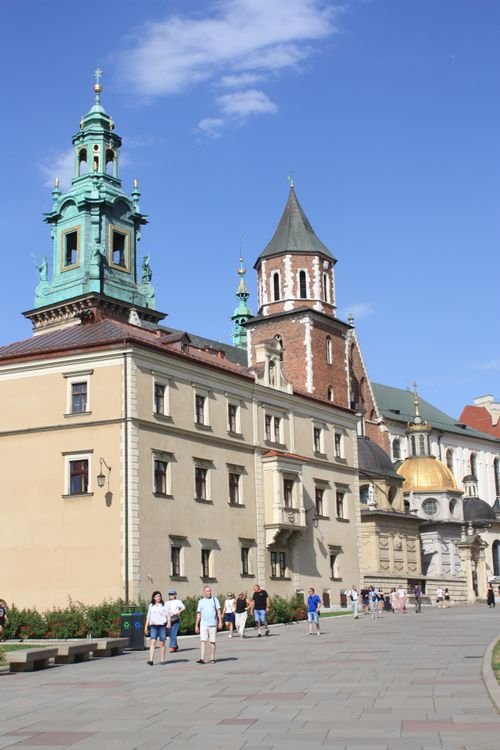
Warsaw is the capital and the biggest student city, home to the University of Warsaw and Warsaw University of Technology. It has the most jobs, the most English-taught programmes and the highest costs.
Krakow is Poland’s historic former capital and home to Jagiellonian University and AGH. Its Old Town is a UNESCO World Heritage Site, and the city has one of Europe’s largest student populations relative to its size.
Wroclaw is a fast-growing tech hub with two ranked universities, a large international community and lower living costs than Warsaw.
Poznan is one of Poland’s most affordable major student cities, with a strong university scene centred on Adam Mickiewicz University, and it is known for its trade fairs and international business links.
Gdansk offers a Baltic-coast lifestyle, two ranked universities and a growing IT sector, with living costs below Warsaw’s.
Frequently Asked Questions
Which is the best university in Poland for international students?
The University of Warsaw is Poland’s highest-ranked university (QS 271 in 2026) and has the widest range of English-taught programmes. Jagiellonian University in Krakow (QS 303) is the best choice for medicine and the humanities, and Warsaw University of Technology (QS 487) leads for engineering and computer science.
How much are tuition fees in Poland for international students?
Typically €2,000–€6,000 a year for English-taught Bachelor’s and Master’s degrees, with an average of around €3,000 a year according to the official study.gov.pl portal. Medicine costs €10,000–€16,000 a year. EU students study free in Polish-taught programmes at public universities.
Are there English-taught programmes in Poland?
Yes — more than 950 full-degree programmes are taught in English across Polish universities, covering business, engineering, IT, medicine, law, humanities and the sciences.
Can international students work while studying in Poland?
Yes. Non-EU students with a valid student visa or temporary residence permit can work in Poland without a separate work permit. After graduation, full-time graduates of Polish universities are permanently exempt from needing a work permit.
Can I stay in Poland after graduation?
Yes. Graduates of Polish universities can apply for a one-time temporary residence permit of nine months to look for work or start a business. You must apply immediately after receiving your diploma, while you are still legally in Poland, and the stamp duty is 340 PLN.
Is Poland cheap for international students?
Yes, compared with Western Europe. Total annual costs (tuition plus living) typically run to €7,000–€15,000, against €20,000–€40,000 or more in the UK and the USA.
